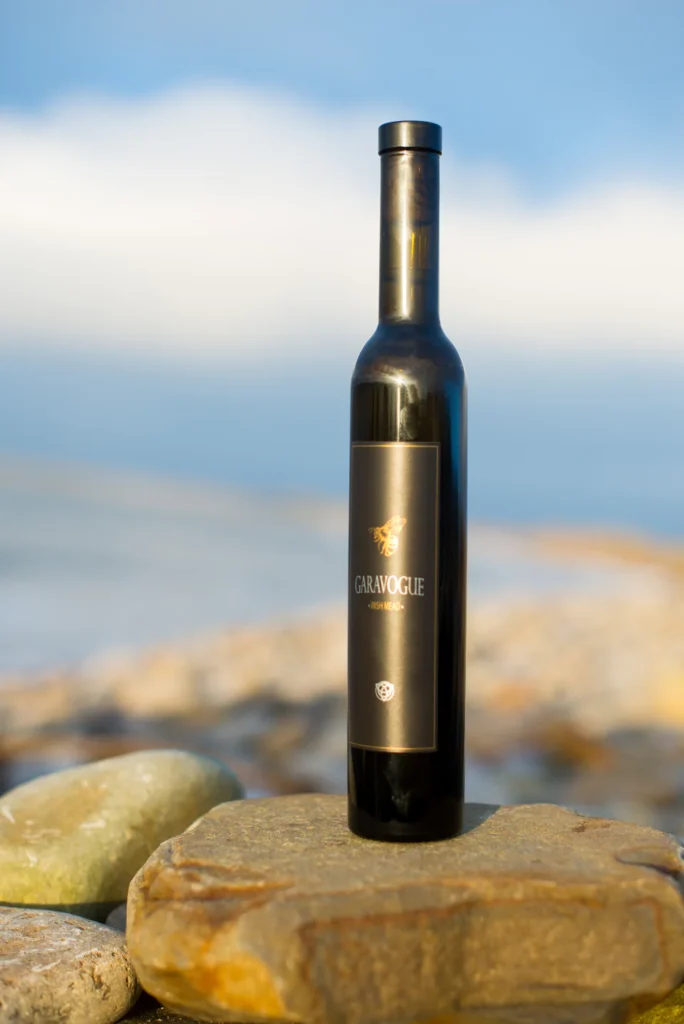
Garavogue Irish Mead is a pioneering dessert-style mead launched in 2017 by Sligo’s own Lough Gill Brewery. It made history as Ireland’s first 100% pure Irish honey mead produced on a commercial scale.
Our 7-year-old vintage is now available, improving with age for an exceptional taste. Our bottles and packaging pay homage to the landscapes and heritage we cherish in Ireland, especially Sligo.
The Collaboration & Origins
Established in 2017, Garavogue is a collaboration between James Ward of the renowned Lough Gill Brewing Company in Sligo, and Sligo native Michael Faul of Rabbit’s Foot Meadery in California. Today, Garavogue Irish Mead sets the gold standard for authentic Irish mead.
Flavor Profile & Characteristics
- Alcohol by Volume (ABV): 11.5%.
- Style: Rich, full-bodied “dessert style” mead.
- Taste Profile: Highly fragrant with distinct, delicate notes of wild Irish honey and heather.
- Balance: It features 6% residual sugar, which is perfectly offset by a crisp acidity to prevent it from feeling overly cloying.
Serving Suggestions
Because of its rich texture and sweet profile, it is widely recommended to be served chilled after a meal. It serves as an excellent companion to various dessert treats or can seamlessly be enjoyed entirely on its own as a liquid dessert.
Would you like to know more about where to buy this mead, or are you interested in other traditional beverages coming out of the Lough Gill Brewery
As Timeless as the River and Lake
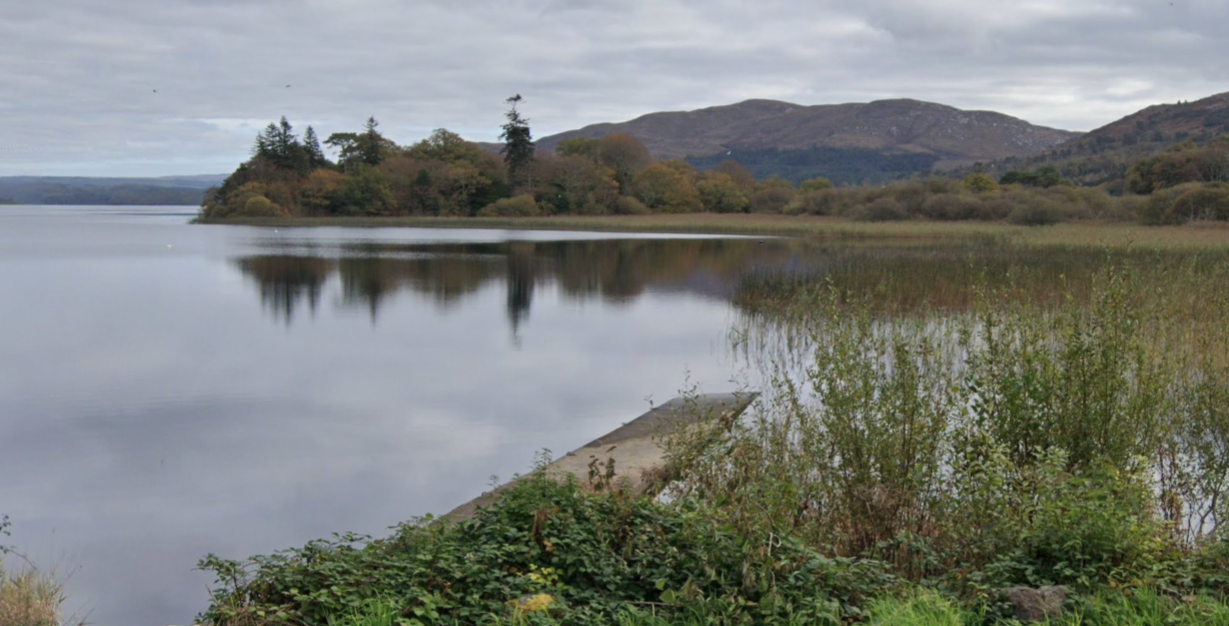
Inspired by the river flowing just outside our door and Lough Gill, the lake it connects to the Wild Atlantic, Garavogue Irish Mead captures the enduring spirit of this Sligo landscape. Each batch is crafted to reflect the timeless beauty of our surroundings.
The Garavogue is noted in Early Medieval texts as one of Ireland’s “nine royal rivers,” and legend claims Saint Patrick blessed it to ensure year-round salmon. A significant event tied to its past is the Battle of Sligo in 536 AD, fought between Eoghan Bél, King of Connacht, and the Uí Néill of Ulster. The river also served as a vital ford, shaping the town’s development as a crossing point. Over time, it has remained a cultural and ecological landmark, celebrated in literature like W.B. Yeats’ poetry and valued for its wildlife, including salmon and various bird species.
Echoing this inspiration, W.B. Yeats penned in his classic poem about Lough Gill and its island, Innisfree:
“I will arise and go now, and go to Innisfree,
And a small cabin build there, of clay and wattles made;
Nine bean-rows will I have there, a hive for the honey-bee,
And live alone in the bee-loud glade.”